
Global Gold Market Outlook 2026: Stability Amid Geopolitical Fracture
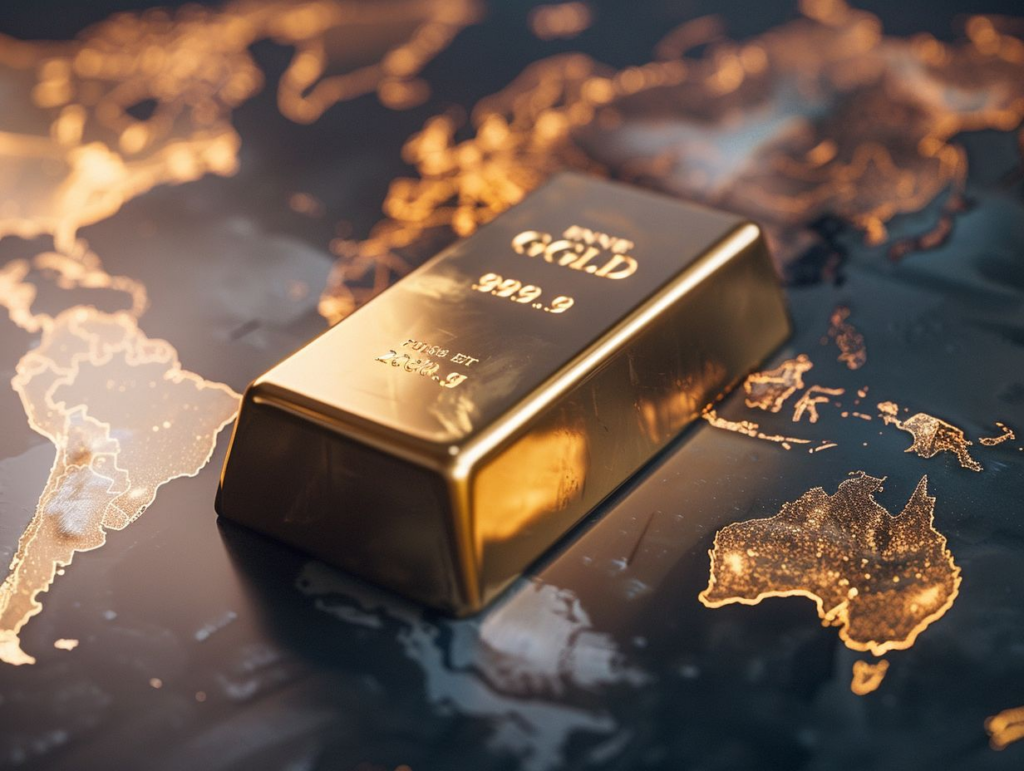
The international gold market enters 2026 with exceptional momentum, shaped by a convergence of geopolitical tension, monetary uncertainty, and structural shifts in global reserve strategy. After a historic rally through 2024 and 2025, gold continues to demonstrate resilience as one of the few assets capable of maintaining value in an increasingly fragmented world economy. Recent analyses confirm that geopolitical instability, currency divergence, and central bank accumulation remain the dominant forces driving demand mascap.group markets.com.
1. A Market Defined by Geopolitical Risk
Throughout 2025, gold set more than 50 new all‑time highs, surging over 60% as investors and institutions sought protection from escalating geopolitical tensions and a weakening U.S. dollar markets.com. Entering 2026, the global landscape remains marked by:
- Strategic competition between major powers
- Persistent regional conflicts
- Energy‑security disruptions
- Heightened uncertainty around global trade flows
These conditions reinforce gold’s traditional role as a safe‑haven asset and a strategic hedge for both private and institutional portfolios.
2. Macroeconomic Drivers Supporting Gold’s Strength
Monetary Policy Divergence
Central banks remain cautious, maintaining an environment of subdued real interest rates—historically favourable for non‑yielding assets like gold mascap.group.
Currency Dynamics
A structurally weaker euro against the U.S. dollar continues to support upward pressure on gold prices, particularly in European markets mascap.group.
Inflationary Pressures
Even as headline inflation moderates, structural cost pressures—energy, wages, supply chains—keep real yields low, sustaining long‑term demand for gold mascap.group.
3. Market Positioning at the Start of 2026
Gold opened 2026 at approximately $4,342 per ounce, reflecting significant appreciation and maintaining an 11.5% premium above fundamental valuation models discoveryalert.com.au. Despite this elevated positioning, derivatives activity and institutional flows indicate continued confidence in gold’s strategic relevance.
4. Scenario Outlook for 2026
Leading institutions outline several potential paths for the year ahead:
Scenario A: Moderate Economic Slowdown (Base Case)
- Slowing growth in developed economies
- Rising demand for safe‑haven assets
- Gold potentially appreciating an additional 5–15% markets.com
Scenario B: Escalation of Global Risks
- Intensification of geopolitical conflicts
- Recessionary pressures
- Strong upside potential for gold as capital rotates into defensive assets markets.com
Scenario C: Economic Acceleration
- Successful pro‑growth policies in the U.S.
- Reduced geopolitical tensions
- Stronger dollar placing downward pressure on gold prices markets.com
5. Central Banks and Institutional Demand
Central banks continue to diversify reserves through sustained gold purchases, reinforcing long‑term structural demand. Recycling trends and supply‑side constraints may further influence price dynamics throughout the year markets.com.
6. Strategic Implications for Investors
In a world defined by volatility and geopolitical fragmentation, gold remains a cornerstone of institutional risk management. For investors seeking stability, liquidity, and long‑term value preservation, the current environment underscores gold’s enduring importance.
At Ros International LLC, we support clients in navigating this complex landscape with rigorous due diligence, institutional‑grade sourcing, and strategic advisory tailored to high‑value transactions.